2026-05-11
Guide to biochar – the ancient Amazon secret helping to solve modern problems

By Jonathan Wood
A type of high-quality charcoal that may hold the key to the growth of the ancient Amazon civilisations has been attracting renewed interest for its remarkable properties.
Biochar – one of the products created by Nova Pangaea’s proprietary technology – has the ability to capture carbon and improve soil quality and productivity amongst other benefits. It is now emerging as a solution to some of today’s most pressing challenges—from climate change to pollution and food production.
What is biochar and how is it created?
Biochar is a form of charcoal produced by heating organic material—such as wood chips, agricultural residues, or plant waste— in a low-oxygen environment at temperatures of 400°C or more.
The process, called pyrolysis, stabilises the carbon and traps it within a solid residue, biochar, where it can remain for thousands of years. The biochar acts as a ‘carbon sink’ which makes it a powerful tool in tackling climate change.
Another important feature of biochar is its sponge-like structure, which dramatically increases its surface area and allows it to hold water, nutrients and micro-organisms – making it ideal for applications such as improving soil quality.
The properties of biochar vary depending on the materials it is made from and the conditions during pyrolysis, however all types of biochar are carbon rich and do not readily decompose.
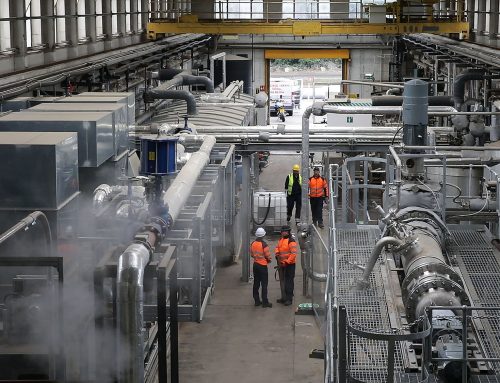
In addition to creating biochar, the pyrolysis process releases gas or liquids. Nova Pangaea’s technology creates bioethanol, which can be converted into sustainable aviation fuel (SAF) or used as a biofuel for road vehicles.
Removing carbon from the atmosphere
Biochar is a rare example of a true carbon negative material. To understand this concept, it helps to consider the carbon lifecycle. When plants grow they absorb carbon from the atmosphere and store it in their biomass (leaves, roots and other parts of the plant) through the process of photosynthesis.
Normally once the plant dies, the carbon is released – instantly if the plant is burned, or more slowly as it decays. Either way, the carbon goes back into the atmosphere. By turning the waste plant material into biochar, the carbon is locked away. In effect the process removes carbon from the ecosystem.
‘Carbon capture’ is a way to reduce the CO2 in the atmosphere and combat climate change, but the term normally refers to expensive, man-made projects where carbon is stored underground. Biochar offers a more natural and lower-cost way to capture carbon, while creating a material that is useful in its own right. The EU has recently recognised biochar as an eligible type of permanent carbon removal which can be used to meet emission compliance targets such as the Emissions Trading Scheme (ETS).
‘Dark earth’ – the Amazonians’ secret?
It is believed that the benefits of biochar were known to the people living in the Amazon region thousands of years ago. Patches of fertile black soil known as terra preta and found throughout the area had previously puzzled scientists, but are now thought to have been created by early inhabitants mixing biochar with vegetable waste. This could also explain how the otherwise poor rainforest soils supported cities and flourishing civilisations.
How biochar improves soil quality
While biochar is not a fertiliser in itself, it improves the quality of soil and its ability to retain nutrients already present. Its porous structure helps retain water, which is particularly valuable in drought-prone regions or sandy soils, and nutrients such as nitrogen and phosphorus, reducing the need for fertilisers and minimising runoff into waterways. It also enhances soil structure, making it easier for roots to grow and air to circulate.
Boosting revenue in rural communities
Converting agricultural residues or forestry waste into biochar could provide a new source of revenue for farmers and rural businesses and in many cases, would be a better way to manage waste. It would also reduce the methane emissions which arise from allowing crop waste to decompose, and the problem of air pollution created by burning stubble in the fields.
Nova Pangaea’s technology offers the potential for decentralised production. Plants strategically sited within rural areas close to where the waste biomass is produced could help boost local economies.
Biochar’s role in removing carbon from the ecosystem offers potential for a second income stream in the form of carbon credits, in addition to the value of the biochar itself.
Biochar in livestock farming
Farmers are also trialling the use of biochar for raising livestock including poultry and pigs. It can be used to improve the quality of pasture, and when added to animal bedding, it can help reduce odours and ammonia emissions, and improve nutrients in manure.
New possibilities in water treatment
In water management, biochar is being explored as a filtration medium. Its high surface area and chemical properties allow it to adsorb contaminants such as heavy metals and organic pollutants, opening up new possibilities in wastewater treatment and environmental remediation.
New and improved building materials
Biochar has also been used by the construction industry to reduce its carbon footprint while also improving performance by creating stronger, lighter weight materials. Its low thermal conductivity and its ability to absorb water also make it ideal for insulation and regulating humidity. It can be used in concrete, mortar, plaster and bricks, or added to asphalt for use in road construction.
A practical solution to today’s problems
Biochar production harnesses natural processes to create sustainable yet highly effective products. Apart from farming or construction, it can be used in higher value products ranging from batteries and electronics to colourings and cosmetics. Companies in different industries are increasingly recognising its potential and new applications are emerging all the time. This ancient material clearly has a much bigger role to play in our future – while contributing to the fight against climate change.